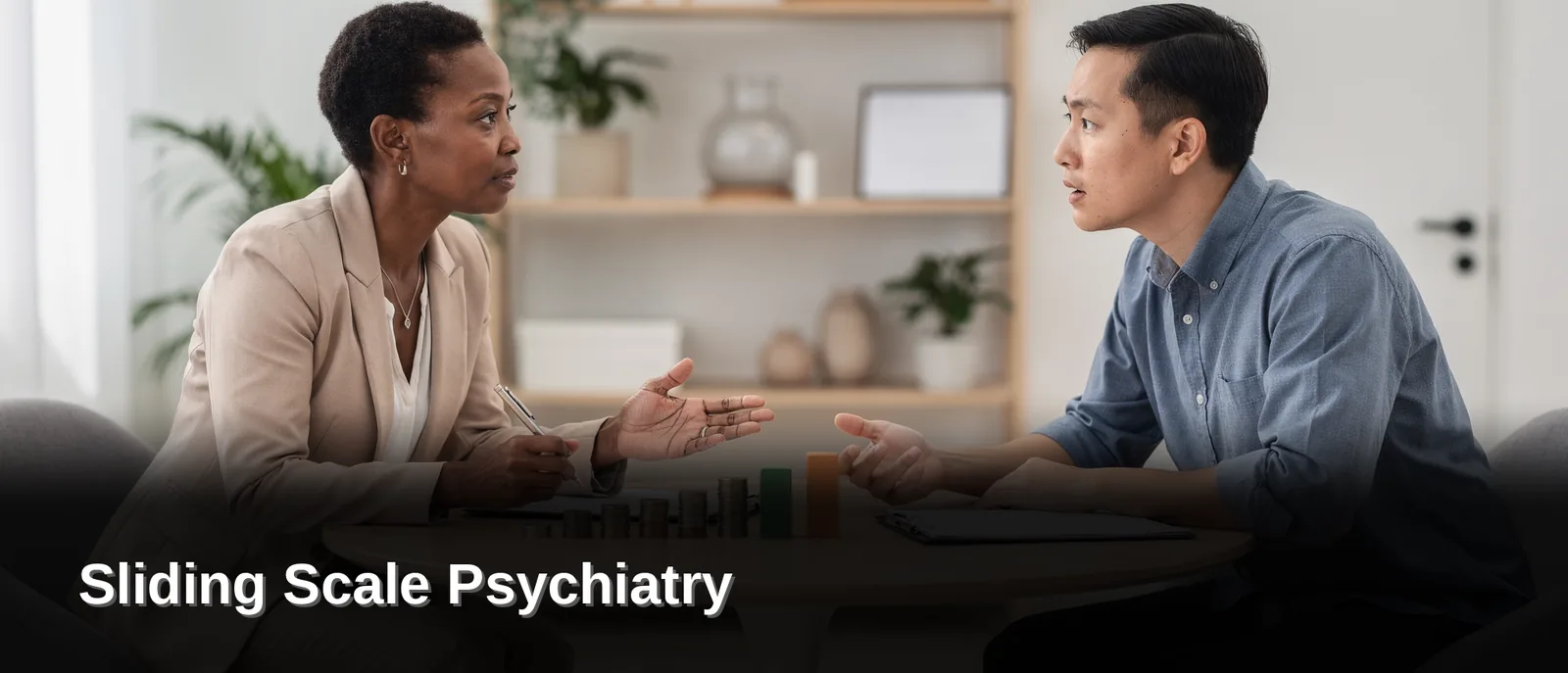
Exploring Teletherapy for Effective Medication Management

Exploring Teletherapy for Effective Medication Management: Enhancing Psychiatric Care with Remote Therapy and Monitoring
By Andrea Ancer Leal, Lucent Psych
Teletherapy has emerged as a transformative approach to mental health care, particularly in medication management for psychiatric conditions. This article explores the various methodologies and advantages of teletherapy in facilitating better adherence to medication regimens. With the increasing demand for accessible mental health services, teletherapy offers a practical solution for both patients and providers, particularly in the context of psychiatric care. The integration of remote consultations not only makes treatment more accessible but also allows for continuous monitoring and adjustments to medication based on the evolving needs of the patient. Here, we will delve into the methods, benefits, and challenges associated with teletherapy, along with an in-depth look at how it enhances the overall management of psychiatric medications.
Methods:
Teletherapy incorporates various techniques that streamline the medication management process for psychiatric patients. These methods provide the flexibility and accessibility required to ensure effective treatment while also enhancing the patient experience. For successful medication management, the following methods are employed:
Virtual Consultations:
Virtual consultations are an essential component of teletherapy, allowing patients to engage with their therapists through secure video or phone calls. This method increases accessibility to necessary mental health services, enabling patients to attend sessions from the comfort of their homes. As a result, geographical barriers are eliminated, and patients can schedule appointments at their convenience, promoting better adherence to treatment plans. In addition, virtual consultations can facilitate timely discussions about medication management, leading to prompt adjustments as needed.
Asynchronous Tools:
Asynchronous tools significantly enhance teletherapy by enabling secure messaging between patients and providers, as well as the use of digital symptom-tracking applications. These tools empower patients to communicate their needs and report their progress at their own pace, fostering a more proactive role in their treatment. By allowing for continuous feedback, these platforms contribute to a comprehensive understanding of the patient’s condition and response to medications, facilitating more personalized care.
Regular Follow-ups:
Regular follow-ups are crucial in the context of medication management, ensuring that patients receive ongoing evaluations of their treatment plans. Scheduled check-ins allow providers to assess the effectiveness of medications, monitor side effects, and facilitate timely adjustments if necessary. This continuous dialogue not only supports medication adherence but also strengthens the therapeutic alliance between the patient and provider, which is essential for effective psychiatric care.
Benefits:
The use of teletherapy for medication management brings numerous advantages that enhance patient experiences and outcomes. These benefits make teletherapy a compelling choice for many seeking mental health support.
Increased Accessibility:
Teletherapy eliminates geographic barriers, allowing patients - particularly those in remote areas or with mobility issues - to access essential psychiatric care. This increased accessibility ensures that individuals who may have previously struggled to engage with mental health services now have the means to receive appropriate support, resulting in better health outcomes and overall satisfaction.
Convenience and Flexibility:
The convenience offered by teletherapy is unparalleled, as patients can choose appointment times that fit their schedules, eliminating unnecessary travel and wait times. This flexibility encourages more individuals to seek help and remain engaged with their therapy sessions, thereby enhancing treatment adherence and effectiveness.
Enhanced Patient Engagement:
Teletherapy significantly improves communication and engagement between patients and providers. The comfort of participating in therapy sessions from home allows patients to be more open during discussions, fostering deeper connections and commitment to treatment plans. This improved engagement can lead to better adherence to prescribed medications and, ultimately, more favorable outcomes.
Improved Continuity of Care:
Continuity of care is vital for effective medication management, and teletherapy facilitates ongoing support for patients. By utilizing easy methods for regular follow-ups and assessments, healthcare providers can maintain an informed view of each patient’s progress, leading to timely interventions and adjustments in treatment. This ongoing connection can reduce the likelihood of medication discontinuation and enhance long-term mental health management.
Evidence-Based Outcomes:
Numerous studies support the effectiveness of teletherapy in improving medication management and overall psychiatric care. Research indicates that telepsychiatry can yield results comparable to in-person therapy, with increased patient satisfaction and improved adherence to medication regimens. This evidence underscores the value of teletherapy as a viable alternative to traditional in-person visits, meeting the needs of modern patients.
Challenges:
While the benefits of teletherapy are considerable, there are challenges that can hinder its effectiveness in medication management. Awareness of these obstacles is essential for providers and patients to address them effectively.
Technological Barriers:
Technological barriers can impede the quality of teletherapy sessions. Connectivity issues or lack of familiarity with the necessary technology can disrupt consultations and diminish the patient experience. Providers must ensure that patients have access to reliable internet services and sufficient technical support to troubleshoot issues as they arise.
Therapeutic Alliance:
Building a strong therapeutic alliance can be more challenging in a virtual environment. The nuances of in-person interactions—such as body language and non-verbal cues—might be overlooked during teletherapy. Providers must be mindful of these limitations and work actively to cultivate trust and rapport with their patients through tailored communication techniques in the digital setting.
Underuse in Resource-Constrained Clinics:
Despite the advantages of teletherapy, resource-constrained clinics may struggle to adopt these methods. A lack of training or resources to effectively implement teletherapy solutions can prevent both patients and providers from fully realizing the benefits. Therefore, more extensive training and institutional support are essential for overcoming these barriers and promoting wider adoption.
How Does Teletherapy Improve Psychiatric Medication Management?
Teletherapy enhances psychiatric medication management by leveraging technology to facilitate real-time communication and adjustments in treatment. This approach enables providers to monitor patient responses to medications closely, leading to timely modifications as necessary. As a result, patients benefit from more personalized care that adapts to their unique needs and experiences.
What Are the Benefits of Telepsychiatry for Medication Adjustment?
The advantages of telepsychiatry for medication adjustment include the enhanced ability to monitor patients in real time and the opportunity for patients to report side effects or challenges promptly. This immediacy allows for quicker interventions, ensuring that treatment remains effective and aligned with the patient's evolving needs.
How Does Remote Psychiatric Medication Monitoring Support Patient Outcomes?
Remote psychiatric medication monitoring supports patient outcomes by providing continuous oversight of patients' progress, allowing therapists to intervene as needed. The integration of digital tools enhances the capacity for real-time feedback, which is vital for maintaining effective treatment plans and ensuring medication adherence.
What Are Evidence-Based Medication Management Protocols in Teletherapy?
Evidence-based medication management protocols in teletherapy focus on consistent monitoring, data-driven decision-making, and collaborative care. These protocols emphasize the importance of utilizing clinical guidelines and patient feedback to tailor treatment approaches, ensuring quality care through data-supported strategies.
How Is Medication Adherence Verified in Digital Mental Health Settings?
Medication adherence in digital mental health settings is verified through various methods, such as regular follow-ups and symptom-tracking tools. These mechanisms provide a means for both patients and providers to maintain accountability and ensure that the prescribed regimens are followed, fostering better health outcomes.
How Are Specific Mental Health Disorders Managed Through Teletherapy Medication Services?
Teletherapy medication services can effectively manage various mental health disorders, including major depressive disorder, anxiety disorders, obsessive-compulsive disorder (OCD), and bipolar disorder. Treatment plans are customized based on the specific disorder and individual patient needs, using a combination of medication and therapeutic support to address symptoms comprehensively.
What Teletherapy Approaches Optimize Medication for Major Depressive Disorder?
Teletherapy approaches that optimize medication for major depressive disorder often include personalized treatment plans and regular monitoring through virtual consultations. These strategies ensure that patients receive the support they need while adhering to their medication regimens, increasing the likelihood of achieving therapeutic goals.
How Is Medication Managed Remotely for Anxiety, OCD, and Bipolar Disorder?
Remote medication management for anxiety, OCD, and bipolar disorder typically involves a structured approach that includes routine evaluations and adjustments. By employing teletherapy tools, providers can maintain close contact with patients, facilitating necessary modifications to medication regimens based on real-time feedback.
What Technology Tools Enable Effective Remote Medication Management?
Effective remote medication management requires technology tools that enhance communication and support patient engagement. Examples include secure messaging platforms, digital symptom trackers, and telehealth software that allows for seamless consultations. These tools ensure that both patients and providers have the resources needed to maintain effective therapy.
Which Digital Platforms Support Teletherapy and Medication Monitoring?
Numerous digital platforms support teletherapy and medication monitoring, each offering unique features that enhance patient experience. Popular choices include secure video conferencing applications and symptom-tracking tools, all designed to improve communication between patients and providers.
How Does Teletherapy Ensure Privacy and Regulatory Compliance in Prescriptions?
Teletherapy ensures privacy and regulatory compliance in prescriptions through robust security measures and adherence to HIPAA guidelines. By using secure communication channels and maintaining strict confidentiality protocols, teletherapy providers can safeguard sensitive patient information while effectively managing prescriptions.
How Should Patients Prepare for Teletherapy Medication Management Appointments?
Patients preparing for teletherapy medication management appointments should start by reviewing their medication lists and noting any side effects or concerns. Consolidating this information will facilitate productive discussions with their providers, ensuring that all relevant details are communicated effectively.
What Are Best Practices for Engaging in Virtual Medication Reviews?
Best practices for engaging in virtual medication reviews include maintaining a consistent schedule for sessions and being open about personal feelings regarding medication efficacy. These practices help establish a comprehensive understanding between patients and providers, fostering a collaborative environment that supports treatment success.
How Can Patients Track Their Medication and Symptoms Remotely?
Patients can track their medication and symptoms remotely using digital tools that allow for symptom logging and medication reminders. By utilizing user-friendly applications, patients can manage their treatment more effectively while staying engaged in their mental health care.
What Challenges and Solutions Exist in Teletherapy Medication Adjustment?
Challenges in teletherapy medication adjustment may include difficulties with technology and communication. Providers can mitigate these challenges by offering technical support and ensuring that patients feel comfortable navigating the necessary platforms for effective interaction.
What Are Common Barriers to Effective Telepsychiatry Medication Care?
Common barriers to effective telepsychiatry medication care include limited access to technology and concerns about privacy. Addressing these issues through patient education and enhancing access to resources can facilitate a smoother teletherapy experience.
How Do Providers Address Medication Side Effects and Emergencies Remotely?
Providers address medication side effects and emergencies remotely by maintaining an open line of communication with patients and encouraging them to report any concerning symptoms. Through regular check-ins and responsive follow-up, providers can effectively manage side effects and ensure that changes to medications are addressed promptly.
What Are Recent Trends and Outcomes in Teletherapy Medication Management?
Recent trends in teletherapy medication management highlight an increase in adoption rates among both patients and providers. As research continues to support the effectiveness of these approaches, more patients are benefiting from accessible and efficient mental health care solutions through teletherapy.
What Does 2026 Data Reveal About Telepsychiatry Utilization and Medication Adherence?
2023 data indicates that telepsychiatry utilization has significantly increased, as more patients embrace the convenience and accessibility offered by teletherapy. This trend correlates with improved medication adherence rates among those who participate in regular teletherapy sessions.
How Does Lucent Psych’s Teletherapy Service Model Enhance Patient Care?
Lucent Psych’s teletherapy service model enhances patient care through seamless integration of various teletherapy options with active medication management. By focusing on accessible, remote continuous care, Lucent Psych is devoted to improving medication adherence and personalization via teletherapy, which positions them as a leader in innovative mental health services.
One notable study emphasizes the role of telebehavioral services in encouraging patients to continue with their prescribed treatments.
Telebehavioral Services for Psychotherapy Adherence in Adult Mental Health As psychotherapy is an effective way to treat mental health issues with or without the use of psychotropic drugs, ways to increase patient adherence to psychotherapy must be studied to provide high-quality mental health outcomes. One measure that has been identified to increase adherence to psychotherapy is the use of telebehavioral services. Increasing Adherence to Psychotherapy Treatment in Adult Mental Health Patients Through the Use of Tele-Behavioral Services: An Integrative Review, 2022